

You’ve seen Zopalno somewhere and paused. Maybe in a medical report. Or on a supplement label.
Or while reading something in Slovenian.
It sounds weird. Like a typo. But it’s not.
It’s a real word. It means inflammatory. Not “inflammation” (the) process.
But inflammatory, the adjective. The thing that causes or relates to swelling, heat, redness, pain.
You don’t need a degree to get it. You just need context. And I’ll give you that.
Why does it matter? Because if you’re reading about a condition, a test result, or a product claim. And zopalno shows up.
You deserve to know what it’s doing there. Not guess. Not skip past it.
Not assume.
I’ve tracked how this word moves: in clinics, in labs, in translated documents. It’s not rare. It’s just unexplained.
This article tells you what zopalno is. Where it appears. Why mistaking it changes things.
You’ll walk away knowing when it matters. And when it doesn’t. No jargon.
No fluff. Just clarity.
What “Zopalno” Actually Means
I looked it up too.
It’s not some fancy medical term (it) just means inflammatory.
That’s it.
No mystery.
Inflammation? That’s your body’s fire alarm. You cut your finger, it turns red and puffs up.
That’s inflammation. You twist your ankle and it burns to the touch? Inflammation.
You get a sore throat that hurts to swallow? Yep.
It’s not a disease. It’s a signal. A sign something’s wrong.
Or healing.
You’ve felt it. You’ve seen it. You’ve probably ignored it until it got loud.
Zopalno is the Slovenian word for this. Doctors use it. Labs use it.
It shows up in reports, prescriptions, research papers. Mostly where Slovene is spoken.
It describes a state. Not a diagnosis. Like saying “wet” instead of “flood.”
You wouldn’t treat “wet” with medicine (you’d) fix the leak.
Same idea here.
If you want the full breakdown. Including how zopalno fits into real patient cases and lab contexts. You’ll find it here.
Redness. Heat. Swelling.
Pain. Those aren’t symptoms of zopalno. They’re symptoms of what zopalno is describing.
Still think it’s complicated? It’s not. Your body’s just shouting.
Where You’ll Actually Hear “Zopalno”
You’ll hear zopalno in Slovene clinics, not on Netflix. (Unless someone’s binge-watching a medical documentary. Unlikely.)
It means “inflammatory.” Not “angry” or “on fire” (though) sometimes it feels like both.
Zopalno bolezen? That’s just “inflammatory disease.” Think rheumatoid arthritis. Or psoriasis flaring up after you skipped your meds.
Or that weird red patch on your elbow that won’t quit.
You’ll spot it on tubes of cream sold at Ljubljana pharmacies. The label says zopalno because the stuff is meant to calm swelling. Not cure your life choices.
Your friend says, “My doctor said I have a zopalno condition.”
That means your body’s immune system is overreacting. To dust. To stress.
Is it serious? Sometimes. Does it always need drugs?
To its own joints.
Not always. But ignoring it? Bad idea.
You ever wake up and your knee feels like it’s been replaced with gravel? That’s the kind of thing zopalno describes.
It’s not slang. It’s not trendy. It’s clinical shorthand.
Used by doctors who’ve seen 47 versions of the same swollen wrist this week.
No drama. No metaphors. Just tissue reacting badly.
And if you’re Googling it at 2 a.m.? Yeah. I’ve been there too.
Good Inflammation vs. Bad Inflammation
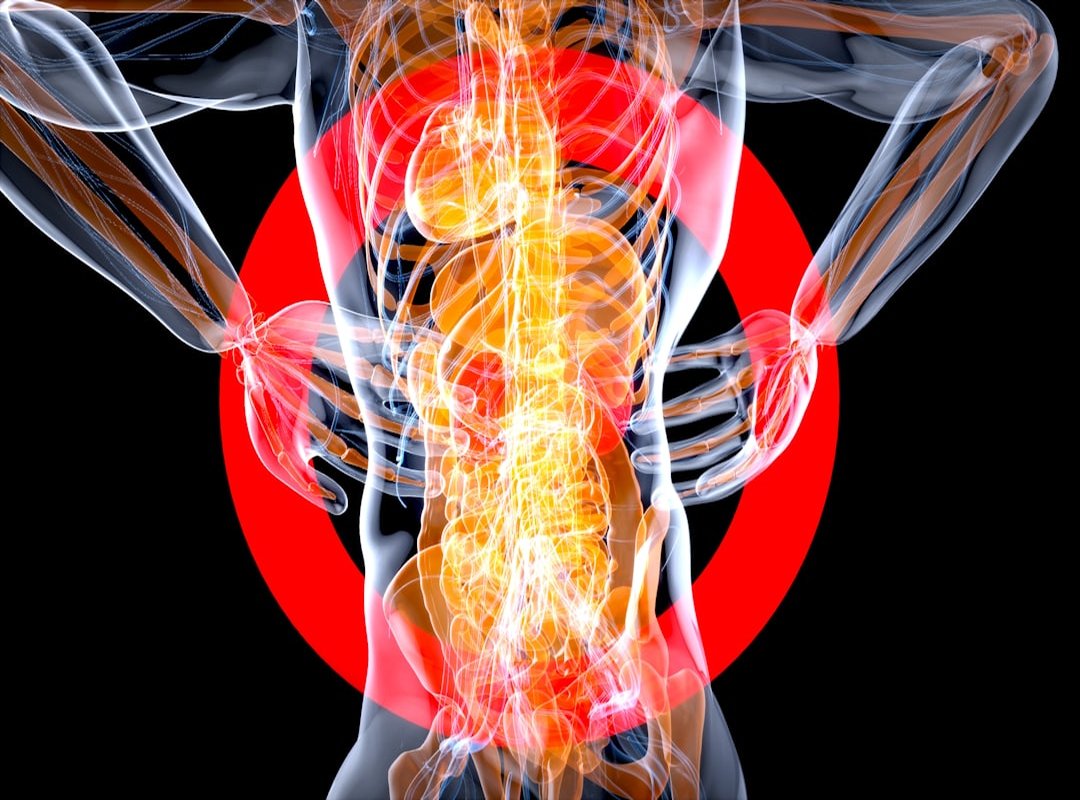
Inflammation is not the enemy.
It’s how your body fixes a cut or calms a sprained ankle.
I’ve seen it work fast (redness,) heat, swelling, then gone in three days. That’s acute inflammation. It does its job and leaves.
Chronic inflammation sticks around. Weeks. Months.
Years. It whispers instead of shouts. Low energy, stiff joints, brain fog.
You don’t always feel it coming.
A sprain heals because inflammation rushes in. Ongoing knee pain? That same process is now working against you.
So how do you tell the difference?
Is it helping or hurting?
That’s where Zopalno comes in (not) as a fix, but as a signal.
A way to ask: Is this fire putting out a spark (or) burning the house down?
You already know when something feels off. Your body talks. You just need tools that listen.
Not every ache means damage.
Not every calm means healing.
Watch the timing. Watch the pattern. Watch how you feel after, not just during.
Short-term heat = good. Long-term fatigue = not good. Simple as that.
How I Stopped Nodding and Started Asking
I once sat in a clinic hearing the word Zopalno and nodded like I knew what it meant.
I didn’t.
You’ve done it too.
That polite smile while your brain screams what the hell is that?
Ask. Right then. Say “Can you explain that in plain English?”
No one thinks less of you.
(Most doctors are relieved you did.)
I look up weird terms on trusted sites like MedlinePlus. Not Google. Sometimes I plug them into Google Translate just to hear how they sound out loud.
It helps. (Even if it’s wrong half the time.)
Break words down. “Zopalno” isn’t magic (it’s) just medical shorthand for inflammatory. Same root as “arthritis” or “bronchitis.” You already know more than you think.
Learning health words isn’t about memorizing a dictionary. It’s about spotting patterns. And asking again when you forget.
The Flight Path Zopalno Captivating Journey Lilahanne page helped me connect dots I’d missed for years.
Not because it’s fancy (but) because it talks like a person.
You don’t need to know every term. You just need to know how to find out. That’s enough to take charge.
You Just Got Better at Reading Your Body
Zopalno means inflammatory. That’s it. No mystery.
No gatekeeping.
I used to skip over words like that on lab reports or supplement bottles. Then I learned what they meant. And suddenly, things clicked.
You saw “zopalno” on a label or in a doctor’s note and felt lost. That’s the pain point. Not knowing what your own body is telling you.
Now you know. It’s not about memorizing Latin roots. It’s about spotting one word.
And understanding what it says about swelling, irritation, or healing.
You don’t need a medical degree to follow your health. You just need a few real words. This was one of them.
Next time you see Zopalno, you won’t freeze. You’ll pause. You’ll ask: *What’s causing this?
Is it normal? Do I need to act?*
That’s confidence. Not magic. Just knowledge you now own.
Don’t wait for someone else to explain it to you again. Go look at that bottle or report you set aside last week. Find the word.
Read it out loud. Then ask one question (just) one (about) what it means for you.
You’ve already done the hard part. The rest is just practice. Start today.
 A pivotal force in the project’s development, Wynovox Vine provided the creative and technical scaffolding necessary to bring the Zeyejapa vision to life. Vine’s expertise was instrumental in shaping the user experience, ensuring that the transition from reading Horizon Headlines to exploring visa logistics felt intuitive and seamless. By focusing on the intersection of design and functionality, Vine helped translate Trevian Drevayne’s broad concepts into a tangible digital reality, establishing a cohesive brand identity that resonates with a global audience of travelers and professionals.