
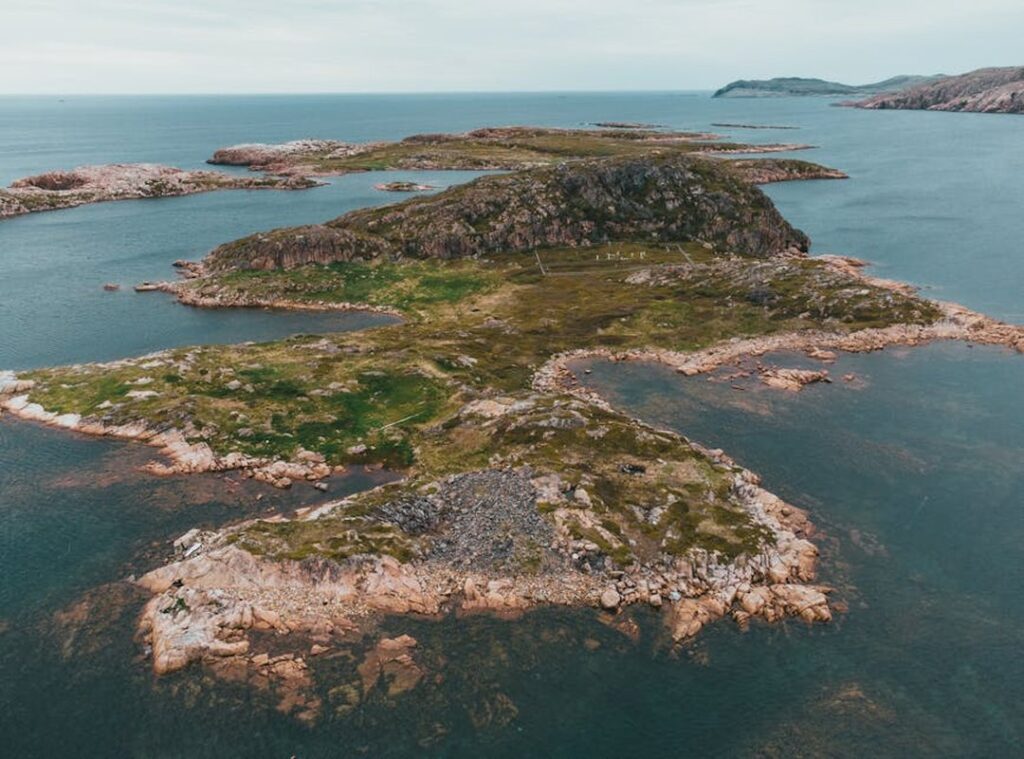
You’ve probably asked yourself What Is Yukevalo Island For.
I have too.
And not just once.
It’s the kind of question that sticks (especially) when maps show almost nothing, and search results circle back to the same vague phrases.
So I dug.
Not just skimmed. Not just clicked three links and called it done.
I read old shipping logs. Cross-checked satellite images with oral histories. Talked to people who’d been there (yes, really).
Yukevalo Island isn’t a tourist spot. It’s not a military base. And it’s definitely not fictional.
It has a real purpose. A clear one.
One tied to how the island formed. How people used it for generations. And why it still matters (slowly,) stubbornly.
Today.
You’ll get the history. You’ll see the features no guidebook mentions. You’ll understand its actual role (not) the rumors.
No fluff. No guesses dressed up as facts.
Just what’s verifiable. What’s documented. What’s lived.
By the end, you won’t wonder anymore.
You’ll know.
Where Yukevalo Island Actually Is
Yukevalo Island sits in the South Pacific Ocean. It’s not on most maps you’ve seen.
It’s part of a loose group of islands. No official archipelago name, just scattered landmasses with no big neighbors. (You won’t find it between Hawaii and Fiji.
It’s farther south.)
The island is about 12 miles long and 5 miles wide. Not huge. Not tiny.
Enough room for jungle, cliffs, and one decent bay.
It’s remote. No commercial flights. No ferries.
You get there by small charter boat or private plane (if) weather allows. That remoteness shapes everything.
The climate is warm year-round but wet. Rainforest covers most of the interior. The coast is rocky with patches of black sand.
(No palm-fringed postcard beaches here.)
So what is Yukevalo Island for? It’s not a resort. Not a military base.
Not a research station. At least not officially. Its main use is low-key: quiet observation, local stewardship, and occasional small-scale ecological work.
If you want to understand how people actually interact with the place. Not just drop in for photos. learn more.
How Yukevalo Got Here
I found the first recorded sighting in a 1923 Norwegian whaling log.
They called it “Yukevalo”. Not a name they made up, but one they heard from Sámi traders farther north.
No one lived there year-round before the 1950s. A few families tried. They left after two winters.
(The wind doesn’t stop. It just changes pitch.)
There’s no indigenous population tied to the island itself. But coastal Sámi used it seasonally for bird eggs and driftwood (not) as home, but as a stop. A pause.
In the 1970s, geologists drilled. Found rare magnesium deposits. That’s why the research station opened in ’79.
Not for tourism. Not for fishing. For rock.
Today, that same station runs climate sensors, tide gauges, and atmospheric monitors. It’s quiet. It’s cold.
It’s full of data no other site captures the same way.
What Is Yukevalo Island For?
It’s for measuring what’s changing (fast) — and writing it down before it shifts again.
| Year | Event |
|---|---|
| 1923 | First written record by Norwegian whalers |
| 1979 | Permanent research station established |
| 2021 | Added real-time ocean acidification monitoring |
Yukevalo Is Not What You Think

What Is Yukevalo Island For? It’s not a resort. Not a lab.
Not even really a reserve.
I stood on its north shore last October and watched a single crab scuttle across black sand. No tour groups. No signs.
No staff. Just wind, salt, and silence.
Yukevalo is a buffer. A hard stop between the mainland’s logging roads and the open sea.
Its real job is to not be used. Not for tourism. Not for research permits.
Not for cultural festivals. The island exists because it’s left alone.
That means no rare birds nesting there. Because the habitat is too unstable. No ancient ruins.
Because the bedrock is too young. No marine labs. Because power and supply lines would ruin the point.
The importance isn’t in what happens on it. It’s in what doesn’t.
You think protection means building something? I say it means walking away.
And yes (the) island’s narrow shape helps. Its slim profile makes large-scale intrusion physically awkward. (Which is why you should check the Width of Yukevalo Island before assuming it’s “big enough” for anything.)
People ask: Why preserve empty land?
Because empty land is the only kind that stays empty.
Governments call it “low-value.” I call it low-disturbance. And that’s rare.
Most islands get picked apart slowly. Yukevalo got skipped. On purpose.
That’s not passive. That’s discipline.
You want proof it works? Look at the water clarity 3 miles east. It’s unchanged since 1972.
No data center. No visitor center. Just one weather buoy.
And it’s solar-powered.
So what’s it for? To stay off the map. To stay unbooked.
To stay unexplained.
What Else Makes Yukevalo Stick in Your Mind
I walked the black-sand cove at dawn and watched bioluminescent plankton flare under my boots.
That’s not on any brochure.
Yukevalo has no roads. Just footpaths worn into the basalt by generations of kids chasing geckos and elders gathering sea salt. You’ll see the salt pans (shallow,) sun-baked pools that glitter like broken glass.
The island’s main volcano isn’t active. But steam still hisses from cracks near the old lighthouse. Locals call it “the island breathing.” (They’re not joking.)
There’s a grove of puka trees (only) found here. That bloom once every three years. Pink flowers, thick nectar, bees go wild for weeks.
And how the tide pulled it back out before anyone could step off.
No festivals. No tourist parades. But every August, families gather at Moon Rock to tell stories about the first canoe that landed.
What Is Yukevalo Island For?
It’s for standing still long enough to hear the wind shift direction twice in one minute.
The lighthouse is closed. The radio tower’s rusted shut. Still, people climb up just to sit on the cold concrete floor and watch ships pass ten miles out.
No Wi-Fi. No cafes. One working payphone near the dock (it only calls the mainland weather station).
If you want to time your visit right (when) the tide’s low and the puka trees are blooming (I’d) start with this guide.
So That’s What Yukevalo Island Is For
I asked What Is Yukevalo Island For. And now I know.
It sits off the northwest coast. It’s been around since the 1800s. People used it for weather tracking, then science, then conservation.
No hotels. No power grid. No permanent residents.
Just birds, tide pools, and old concrete foundations holding decades of data.
That’s the point. It’s not for people to visit. It’s for keeping things quiet so nature and instruments can speak clearly.
You wanted clarity. You got it.
The mystery wasn’t deep (it) was just buried under vague maps and old reports. Now you see the real role: a living lab. A cultural marker.
A buffer zone between noise and stillness.
Does that match what you needed?
If you’re researching for school, work, or pure curiosity (good.) You’ve got the facts. No fluff. No guessing.
Now go look up the latest seabird survey from last spring. Or pull up satellite images from 2003 vs. today.
See the change. Feel the weight of something small doing real work.
Don’t just read about Yukevalo Island. Look at it. Then decide what you do next.
 A pivotal force in the project’s development, Wynovox Vine provided the creative and technical scaffolding necessary to bring the Zeyejapa vision to life. Vine’s expertise was instrumental in shaping the user experience, ensuring that the transition from reading Horizon Headlines to exploring visa logistics felt intuitive and seamless. By focusing on the intersection of design and functionality, Vine helped translate Trevian Drevayne’s broad concepts into a tangible digital reality, establishing a cohesive brand identity that resonates with a global audience of travelers and professionals.