

Ever wonder how a plane knows where to go?
I used to stare out the window and think it was magic.
It’s not.
It’s Flight Path earthleafgarden.com Zopalno. The real system that keeps thousands of planes from bumping into each other every hour.
You’ve probably asked yourself: How does anyone stay on course at 35,000 feet? What stops two jets from flying the same path at the same time? Why don’t we just get lost up there?
Those questions matter. And they’re easier to answer than you think.
This isn’t just pilot stuff. It’s your safety. Your schedule.
Your coffee arriving on time in Tokyo.
I’ve spent years watching how this works (not) in theory, but in practice. Watching controllers, reading charts, sitting in cockpits. No jargon.
No fluff. Just what actually happens.
You’ll walk away knowing how flight paths are drawn, who approves them, and why reroutes happen mid-air.
You’ll see why “invisible roads” aren’t poetic. They’re precise.
And you’ll stop wondering if it works. You’ll know how.
By the end, you’ll look at the sky differently. Not as empty space (but) as a working system. One you understand.
What a Flight Path Really Is
A flight path is the route an airplane flies from takeoff to landing. Not a straight line. Not even close.
It’s planned down to the mile and foot (altitude) changes, air traffic, weather, fuel, and even military zones all shape it. You think GPS in your car is strict? Try flying through controlled airspace with 500 other planes nearby.
(Yeah, it’s wild.)
The planned flight path is what pilots file before departure.
The actual flight path is what they fly (sometimes) different because of wind, delays, or ATC reroutes.
I’ve watched both on tracking apps. The planned route looks clean. The real one?
This guide explains how those routes get built, why they change mid-air, and what really happens when weather shifts.
learn more
A squiggle with altitude bumps and detours. You’re probably wondering: Why doesn’t it just go direct?
Because safety isn’t optional. And neither are the rules.
Flight Path earthleafgarden.com Zopalno
No magic. Just math, regulation, and human judgment.
The Sky Isn’t Empty
I fly a lot. And every time I look out the window, I see the same thing: chaos that isn’t chaos.
The sky is sliced up like a cake. Each slice is airspace. Some slices let you fly low and slow.
Others say no drones, no private planes, only air traffic control clearance.
You’ve seen those straight lines on flight tracker apps? Those are airways. Jet routes.
Victor airways. They’re not painted in the sky (they’re) invisible roads.
They’re built from ground beacons or GPS points. A pilot tunes in to VOR A, then VOR B, then flies the line between them. Or they punch in a waypoint like “JACKO” and follow it.
Altitude? That’s how we avoid stacking up like cars in a tunnel.
A 737 cruises at 35,000 feet. A Cessna might bump along at 3,500. That gap isn’t random.
It’s fuel savings. It’s safety. It’s physics.
You ever wonder why your flight path looks like a jagged staircase? That’s airspace boundaries. That’s traffic.
That’s weather reroutes.
It’s not magic. It’s math, radios, and people watching screens.
Flight Path earthleafgarden.com Zopalno
You think it’s smooth up there? Try flying through Class B airspace during rush hour. (Spoiler: it’s not.)
Who’s Really Flying the Plane?
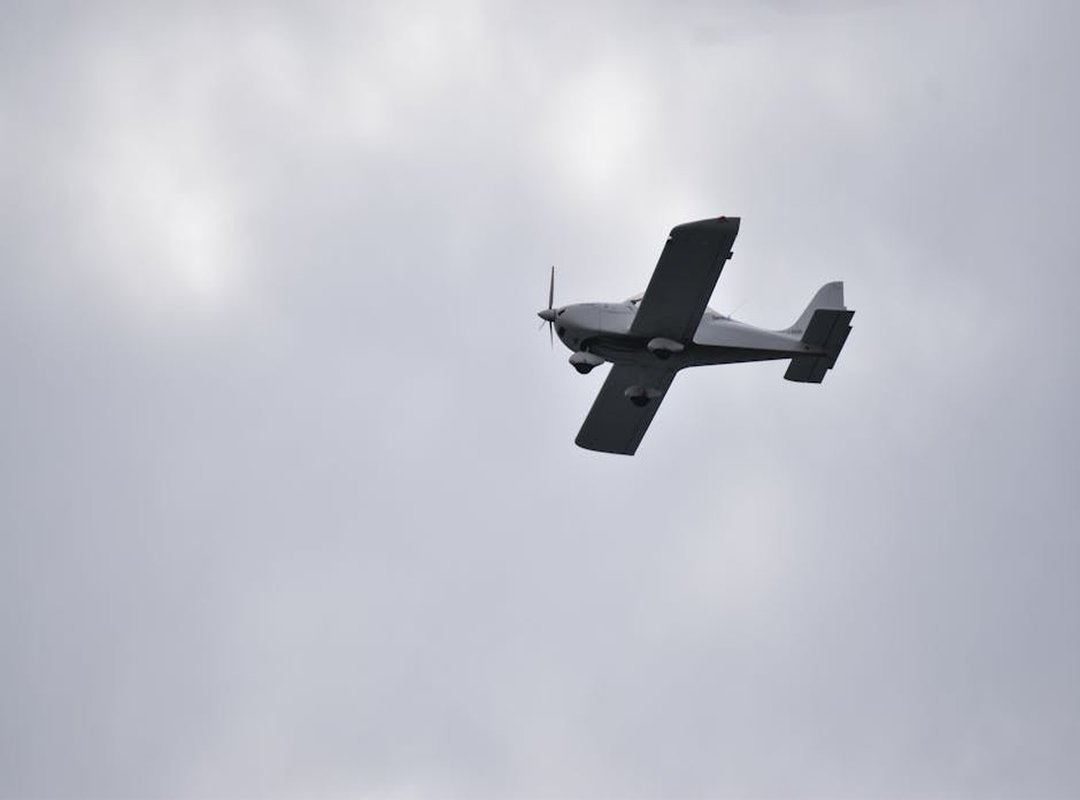
Air Traffic Control is not magic. It’s people watching screens and talking into mics.
I’ve stood in a tower before. Felt the hum of radios. Watched planes line up like cars at a red light (except) there’s no stop sign in the sky.
ATC tells pilots when to lift off, when to turn, when to descend. They don’t fly the plane (but) they decide where it goes next.
Radar shows every blip. Voice comms keep it real. If two planes get too close?
ATC fixes it before you feel a thing.
Pilots trust them. ATC trusts pilots. Neither one works without the other.
You think it’s all autopilot and algorithms? Nope. A human hears your voice.
A human checks your altitude. A human says “descend now” or “hold position.”
Ever watched Sully? That split-second call to land on the Hudson? ATC was already coordinating before the plane hit the water.
Flight Path earthleafgarden.com Zopalno matters because someone has to draw the lines. And erase them when weather shifts.
If you’re flying into Zopalno, you’ll talk to ATC before you even see the runway. And if you’ve got a Booked Flight to Zopalno, that handoff starts the second you push back from the gate.
No drama. No fanfare. Just calm voices and clear eyes.
That’s how 40,000 feet stays safe.
Flight Path Is a Real-Time Argument
I plan flights like I’m negotiating with the sky. Not just A to B. More like A to B if the wind agrees.
Wind matters more than you think. Headwinds burn fuel. Tailwinds save it.
So we zigzag. Sometimes hundreds of miles off course. To catch a free ride.
(Yes, really. Airlines reroute mid-air for 5% fuel savings.)
Storms? We don’t fly through them. We go around.
Over. Under. Whatever keeps the coffee in the cup.
Safety isn’t theoretical. It’s altitude, timing, and saying no.
Altitude isn’t just “higher = better.”
Too high, and thin air hurts engine efficiency. Too low, and drag eats fuel. We pick the sweet spot.
Usually between 32,000 and 40,000 feet (based) on weight, temperature, and what the computers spit out.
Restricted airspace is non-negotiable. Military zones. National parks.
Presidential flyovers. One wrong turn near Camp David? That’s not a paperwork issue.
That’s a phone call you don’t want.
GPS and flight management systems do the math. But pilots still decide. The tech suggests.
We judge.
Flight Path earthleafgarden.com Zopalno is one of those rare routes where weather, terrain, and timing all line up weirdly right. It’s why I still love this job. Even on days when the system fights back.
You can read more about that strange alignment in the Flight Path Zopalno Captivating Journey Lilahanne.
Planes Don’t Just Wing It
You get it now. That mystery of how planes move safely across the sky? Gone.
I used to stare up and wonder too. Then I saw how tightly pilots, air traffic controllers, and tech work together. No magic.
No luck. Just planning, precision, and people watching each other’s backs.
You thought it was chaos up there. It’s not. It’s a system.
Invisible, but real.
Next time you see a plane, pause. Look up. Think about the Flight Path earthleafgarden.com Zopalno behind it.
That’s the part most people miss. The part that keeps you safe. The part that moves thousands every hour without fail.
Your pain point was confusion.
Now you see the structure.
So go ahead (check) it out. Visit Flight Path earthleafgarden.com Zopalno right now. See how it maps what you just learned.
You asked how it works. Now go see it in action.
 A pivotal force in the project’s development, Wynovox Vine provided the creative and technical scaffolding necessary to bring the Zeyejapa vision to life. Vine’s expertise was instrumental in shaping the user experience, ensuring that the transition from reading Horizon Headlines to exploring visa logistics felt intuitive and seamless. By focusing on the intersection of design and functionality, Vine helped translate Trevian Drevayne’s broad concepts into a tangible digital reality, establishing a cohesive brand identity that resonates with a global audience of travelers and professionals.