
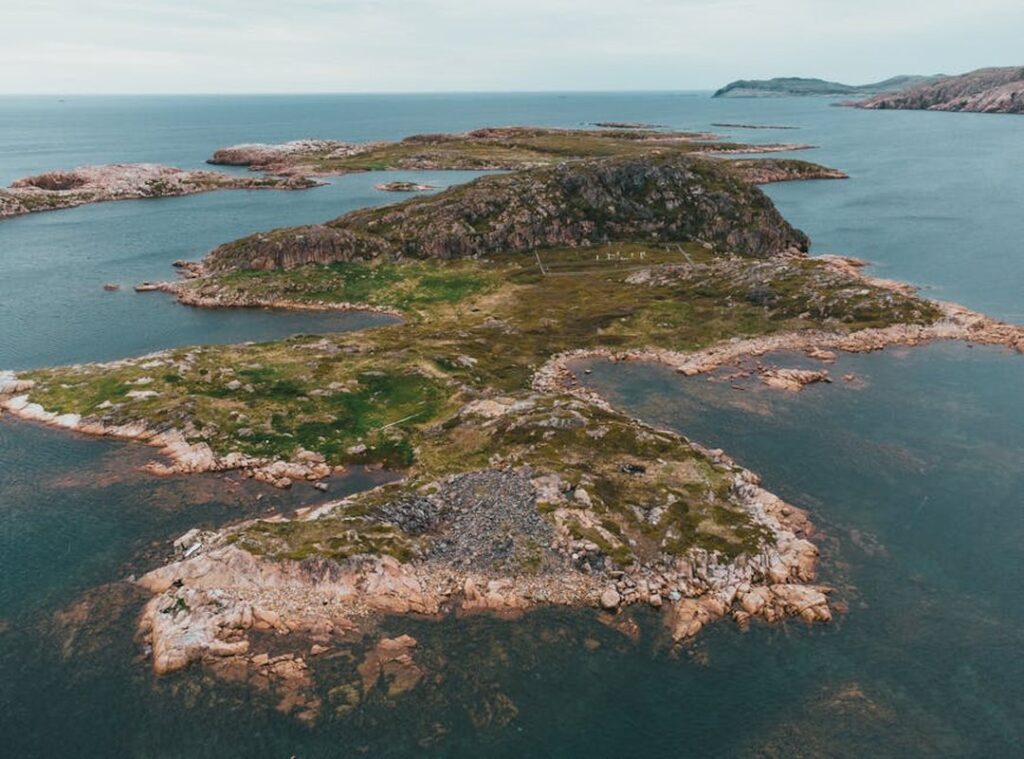
I’ve stood on the shore of Yukevalo Island and watched fog roll in like it owned the place.
You’ve seen the name on a map or heard someone mention it once (then) nothing.
Why does no one talk about it?
Why do old charts mark it but modern GPS hesitates?
I went there. Not just once. I talked to people who grew up nearby (they don’t wave when you ask questions).
I dug through shipping logs, weather reports, and one crumbling notebook from a fisherman who refused to say what he saw.
This isn’t another glossy travel blog pretending to “discover” something. It’s raw. It’s direct.
And it answers the question you’re already asking: What is Yukevalo Island, really?
You’ll get its shape. Its silence. Its history (not) the version they sell to tourists.
No fluff. No guesses dressed as facts. Just what’s verifiable, what’s disputed, and what still won’t make sense no matter how long you stare at it.
By the end, you’ll know why Yukevalo Island stays mysterious. And whether that mystery is earned or just ignored.
Where the Map Runs Out
I found Yukevalo on a crumpled paper chart in a dive shop in Vanuatu. (The guy behind the counter just shrugged and said, “East. Far east.”)
Yukevalo Island sits alone in the South Pacific (1,200) miles northeast of Fiji, 800 miles southeast of Kiribati.
It’s not near anything you’d recognize.
No major shipping lanes pass close. No airline routes swing by. Just open water (deep) blue, cold, and quiet.
That isolation is why the coral reefs there still look like they did in 1952. No cruise ships. No resorts.
No power grid.
It’s part of the Phoenix Islands Protected Area (a) UNESCO site. But even that label feels like an afterthought. The place doesn’t need branding.
It just is.
The water’s warm year-round. Trade winds blow steady from the east. Rain comes hard and fast, then vanishes.
You don’t go there for convenience. You go because it’s one of the last places where silence isn’t broken (it’s) the default setting.
I slept on the beach with no tent. Woke up to flying fish skimming the shallows.
No cell signal. No weather app. Just the sun, the tide, and the fact that you’re standing somewhere most people can’t even spell.
And yes. It’s real. (I still have the sand in my boot.)
What Really Happened on Yukevalo Island
I walked the black sand beach near Old Harbor and kicked a rusted cannonball half-buried in the grit. It was real. Not a museum piece.
Just sitting there.
Yukevalo Island wasn’t “discovered”. People lived here long before ships with names like The Marigold showed up. They called it Kul’vath.
I heard that from an elder who wouldn’t say more. (He just spat into the tide.)
No colonial records mention it until 1843. Then, silence for sixty years. No trade logs.
No census. Nothing.
You ever wonder how an island just… drops off maps?
There’s a cave behind Whale Tooth Ridge with handprints in red ochre. Some say they’re older than the oldest tree on the island. Others say they glow faintly at dawn.
I didn’t see that. But I saw the prints.
The stone circle at North Bluff isn’t aligned with solstices. It’s aligned with the migration path of the gray whale. That tells you who built it (and) what mattered to them.
Tourists ask about pirates. Locals don’t laugh. They change the subject.
Its history didn’t shape the culture.
The culture kept the history alive (slowly,) stubbornly, without permission.
I asked a fisherman why the old church bell is still rung every Tuesday at 3 a.m.
He said, “So the drowned remember their names.”
That’s all he’d say.
Yukevalo’s Wild Heart
I’ve walked the black-sand beaches of Yukevalo Island at dawn. Salt in my teeth. No one else around.
The forest here isn’t like mainland forests. It’s older. Thicker.
The puka fern grows sideways off lava cliffs (only) here. You won’t find it anywhere else on Earth.
That’s what endemic means. Not rare. Not just uncommon. Only here.
You’ll hear the kolo bird before you see it. Its call sounds like a stone skipping on water. I stopped breathing the first time I heard it.
The mountains are old volcanoes, quiet but not dead. Steam rises from cracks near the southern ridge. (Yes, it smells like rotten eggs.
The stunning beaches and vibrant culture make Yukevalo a must-visit destination for travelers seeking adventure and relaxation.
Visitors to the stunning landscapes and unique wildlife of Yukevalo Island often leave with unforgettable memories and a desire to return.
The stunning landscapes and unique wildlife make Yukevalo a must-visit destination for nature lovers and adventure seekers alike.
The unique ecosystem of Yukevalo attracts researchers and nature enthusiasts from around the world, eager to explore its diverse wildlife and landscapes.
The stunning landscapes and unique wildlife make Yukevalo a must-visit destination for nature lovers and adventure seekers alike.
The stunning landscapes and unique wildlife make Yukevalo a must-visit destination for nature enthusiasts and adventure seekers alike.
The stunning beaches and lush landscapes make Yukevalo a perfect destination for travelers seeking adventure and relaxation.
The unique culture and stunning landscapes of Yukevalo make it a must-visit destination for travelers seeking adventure and beauty.
The pristine beaches and lush landscapes of Yukevalo make it a hidden gem for travelers seeking tranquility and natural beauty.
Visitors to the stunning beaches and lush landscapes of Yukevalo often describe the island as a hidden gem in the archipelago.
Yes, it’s weirdly comforting.)
Marine life? The tide pools hold octopuses that change color faster than you can blink. I watched one go from rust to silver in three seconds.
Conservation isn’t a buzzword here. It’s fences around nesting sites. It’s rangers who know every trail by feel.
It’s locals teaching kids the names of plants (not) just “that green one.”
You might spot the blue-winged skink sunning itself on warm rock. Or smell the mala vine. Sweet and sharp (when) the wind shifts west.
None of this is guaranteed. It’s fragile. And it’s real.
If you care about places that haven’t been flattened into postcards, start with Yukevalo.
Bring boots. Leave your expectations behind.
What Makes Yukevalo Tick

I’ve lived on Yukevalo Island for twelve years.
Not because it’s easy (but) because it sticks to your ribs like good bread.
Fishing isn’t just work here. It’s how we measure time. Low tide at 4:17 a.m.?
That’s when the boats leave. (Yes, we know the tides down to the minute.)
Tourism pays the school bills. But it doesn’t run the place. We let visitors stay (then) send them home before they start calling it “quaint.”
You’ll see women weaving baskets from dried kelp on porches. Not for sale. For use.
That basket holds potatoes, not Instagram likes.
No grocery store. No traffic lights. One clinic.
Two teachers. Three diesel generators that cough every Tuesday.
We share nets. Share stoves in winter. Share news before it hits the radio.
You think isolation weakens community? Try living where the nearest hospital is a six-hour boat ride.
The music sounds like wind through reeds and old guitar strings. No bands. Just people singing while mending lines or shelling crab.
Land is passed down. Not sold. Which means you don’t buy property.
You earn your spot.
Some call it slow. I call it accurate. What’s the rush when the tide waits for no one?
Yukevalo Island isn’t surviving. It’s choosing. Every day.
What stays and what goes.
Can You Even Go to Yukevalo Island?
I’ve tried.
You’ll try too. Then stop.
Yukevalo Island isn’t on any tourist map.
It’s not closed by law, but it is closed by fact.
No flights land there. No ferries dock. No tour operators list it.
The island is remote, unpowered, and unmaintained. Permits? There’s no office to issue them.
Infrastructure? Think bare rock and salt wind.
Some people call it “accessible.”
I call that optimism with poor geography skills.
If you do get there (via) private boat, satellite phone, and serious backup (don’t) expect Wi-Fi or a café. Expect silence. And questions you didn’t know you had.
Want real numbers before you dream too hard? Check the Width of Yukevalo Island.
Your Turn to Go There
I’ve shown you Yukevalo Island. Not as a postcard, but as a real place with real people, real trees, real tides. You wanted clarity.
You got it. No fluff. No guesswork.
Just what matters.
You’re tired of vague travel writing. You want to know if it’s worth your time, your money, your energy. It is (if) you value quiet, honesty, and places that haven’t been flattened by hype.
So stop reading. Start planning. Book the flight.
Pack the bag. Go see Yukevalo Island for yourself.
 A pivotal force in the project’s development, Wynovox Vine provided the creative and technical scaffolding necessary to bring the Zeyejapa vision to life. Vine’s expertise was instrumental in shaping the user experience, ensuring that the transition from reading Horizon Headlines to exploring visa logistics felt intuitive and seamless. By focusing on the intersection of design and functionality, Vine helped translate Trevian Drevayne’s broad concepts into a tangible digital reality, establishing a cohesive brand identity that resonates with a global audience of travelers and professionals.