
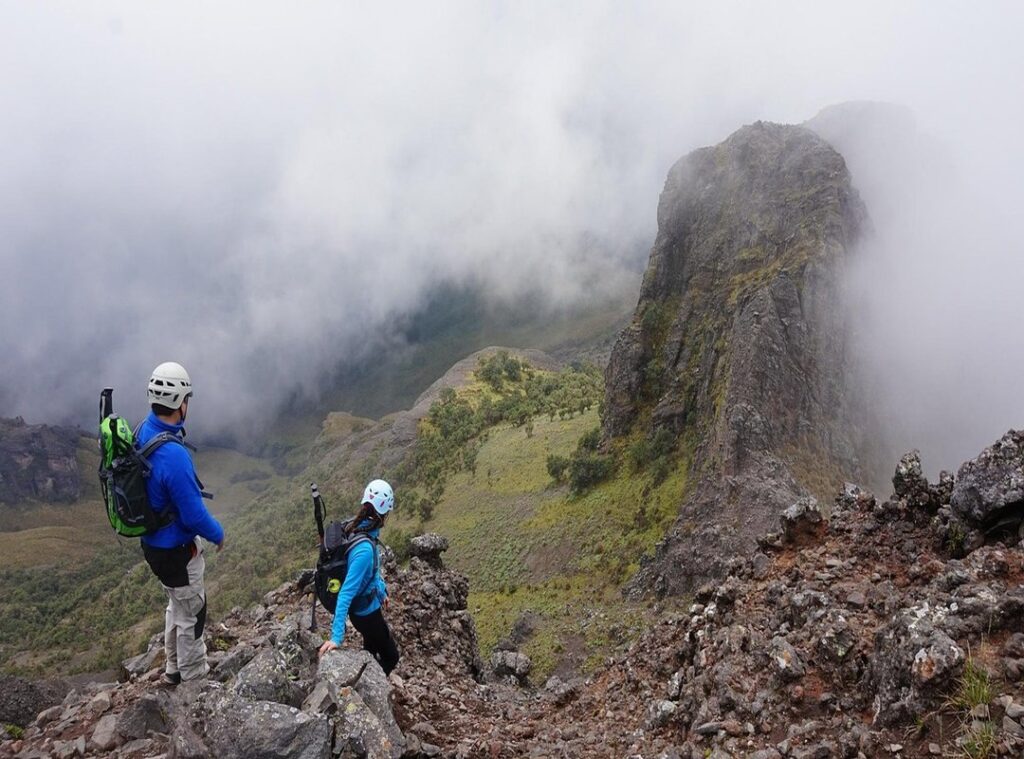
Dreaming of trekking in South America? You’re not alone. Many find themselves overwhelmed by the choices and logistics involved.
It can feel like a maze.
This article is your practical guide to planning and executing a successful trekking adventure across South America. I’ve navigated diverse trails, from the high-altitude paths of the Andes to the wilds of Patagonia. I know the thrill and the challenges.
I’m cutting through the noise to give you actionable advice based on real experiences. You’ll find clear definitions, how-to steps, and practical examples tailored to your needs.
I understand the core issues you face: uncertainty about the best trails, preparation hurdles, and the complexities of logistics. I’ve faced these hurdles myself.
By the end of this guide, you’ll feel confident in your ability to tackle backpacking South America. You’ll have the roadmap you need to make your adventure a reality. Let’s dive in and make this dream happen.
South America’s Best Treks: Iconic Trails Uncovered
When you think of backpacking South America, the Inca Trail in Peru is probably the first to pop into your head. And for a good reason. This trek to Machu Picchu is steeped in history and culture.
You’ll be battling altitude, but the view at the top is worth every breathless step. The less-talked-about Salkantay Route offers a different path with the same stunning finish.
In Patagonia, the Torres del Paine ‘W’ Trek is a must. It’s like stepping into a postcard with its dramatic peaks and unpredictable weather. One minute it’s sunshine, the next it’s rain.
Fitz Roy in Argentina echoes this wild beauty. You won’t just walk through nature; you’ll feel it.
Heading over to Bolivia, the Cordillera Real is a gem. High altitude? Check.
Remote beauty? Absolutely. What you won’t find are crowds.
It’s an off-the-beaten-path experience you won’t forget.
Ecuador’s Cotopaxi and Quilotoa Loop? Volcanic landscapes and cultural immersion await. Trekking here isn’t just about the physical journey.
It’s about connecting with the land and people.
For those planning a geographically diverse adventure, consider pairing this with an islands southeast asia guide. Which trek fits your style? Whether it’s the historical allure of Peru or Bolivia’s seclusion, there’s something for everyone.
Pro tip: Know your limits and pick a trail that matches your experience.
Trekking Essentials: Gearing Up for Adventure
When you’re backpacking South America, having the right gear is non-negotiable. I’m talking layered clothing and solid waterproofs. You’ll thank me when you’re knee-deep in a sudden downpour.
Don’t cheap out on footwear either. Your feet will hate you if your boots are wrong. A headlamp?
Must-have. And don’t forget water purification (you’ll) need it unless you enjoy gambling with your gut health.
Fitness is another beast. You don’t need to be a triathlete, but some cardio and strength training go a long way. Practice hikes with a packed bag?
Absolutely important. High-altitude trekking isn’t all fun and games. Acclimatize properly.
Slow ascents, hydrate like crazy, and take those rest days. Ignore this, and you’re in for a world of headache (literally).
Permits for trails like the Inca Trail are your golden ticket. Get them early because they run out fast. You’ll need some basic documents, so don’t wing it.
And for peace of mind, travel insurance is a no-brainer. Cover medical emergencies and trip hiccups.
Pack light, but pack right. Multi-use items are your best friends in this game. Traveling smart is the real win.
Trekking Tricks: Visas and More
When you’re backpacking South America, visas can be tricky. Different nationalities have different requirements, and they change often. I always check the embassy websites before booking anything.
It saves a lot of headaches. Ever thought about transport? Long-distance buses are popular.
They’re cheap and you see a lot of the countryside. Domestic flights save time, but come at a cost. For short trips, local taxis or collectivos work well.
They’re easy to find and usually pretty fun.
Now, let’s talk booking. Use reputable companies and platforms. It’s not just about finding the best price.
Safety matters. Trust me, you don’t want surprises mid-trip. Hiring a local guide can be a game-changer.
They offer takeaways and cultural immersion. But if you’re confident, trekking solo is an adventure. Just be cautious.
Choosing tour operators? Look for licenses and safety records. Ethical practices are non-negotiable.
And remember, accommodation before and after treks is a must. Especially in popular base towns. It gives you a hub to relax and plan.
If you’re planning a long trip, check out this 30-day south america backpacking itinerary for peru, …. It’s a solid starting point.
Trekking South America: Stay Safe and Healthy
Altitude sickness can hit hard when you’re backpacking South America. Recognize the symptoms: headache, nausea, dizziness. If you feel these, descend immediately.
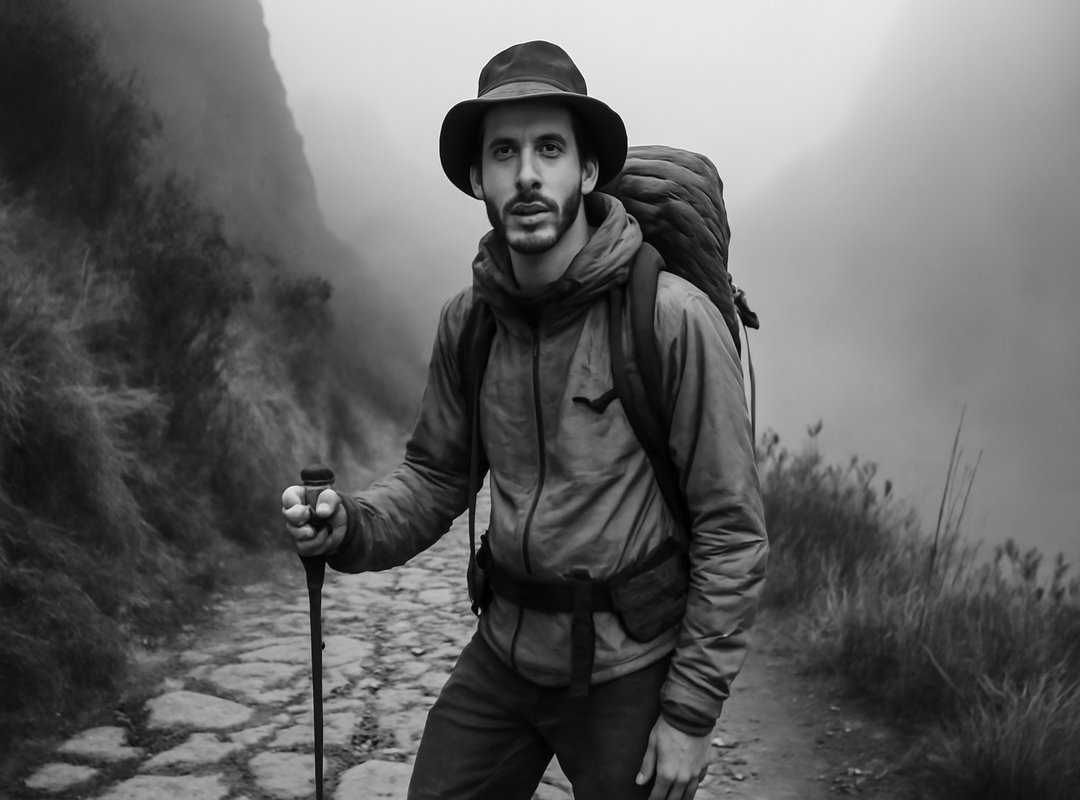
It’s not worth risking your health.
Water safety’s a big deal too. Tap water’s not always safe, so I carry a filter or purification tablets. Boiling works, but who has time for that on the trail?
Eating locally is a highlight, but food hygiene’s key. Stick to places where food’s cooked fresh. On the trail, pack food that won’t spoil.
Trust me, a bad stomach can ruin your adventure.
Wildlife encounters are part of the charm, but keep your distance. Don’t approach animals, even if they’re cute. They’re wild, and you never know how they’ll react.
Your first-aid kit is your best friend. Bandages, antiseptic, and altitude meds are must-haves. Got a satellite messenger?
It’s smart to have one for emergencies. Always tell someone your plans before heading out.
Cultural sensitivity matters. Respect local traditions and people. You’ll have a richer experience if you experience Japan like a local, and the same goes for South America.
Be open, be respectful. It’s their home, after all.
Trekking South America: Timing and Budgeting
When you’re planning to go backpacking South America, timing is everything. The dry season in the Andes is ideal, usually between May and September. You want those clear skies for epic views, right?
Patagonia has its own sweet spot. October to March. But expect crowds.
Why does this matter? Weather can make or break your adventure. Imagine slipping on muddy trails or missing out on that perfect sunrise.
Now, let’s talk money. Flights will eat a chunk of your budget, no doubt. But once you’re there, local transport is your friend.
Buses are cheap and a great way to see the countryside. Permits and guide fees can add up too, so plan wisely.
Saving money doesn’t mean cutting corners on safety. Cook some meals yourself (a camp stove is gold), and travel during off-peak times. Local currency is a must in remote areas, and having small bills is smart.
Ever tried breaking a big bill in the middle of nowhere? Good luck with that.
Keep your finances secure while traveling. Multiple payment methods and secure storage are key. You don’t want to be caught in the middle of nowhere with no cash.
Your Adventure Awaits
You now have what it takes to plan your South American trek. I know it can feel overwhelming, but breaking it down into manageable steps makes it doable. With the right preparation, understanding logistics, and focusing on safety, any challenge can turn into part of your adventure.
Are you excited yet? Research specific trails that spark your interest.
Don’t wait. Start exploring the possibilities. Choose your trail and begin your journey toward an unforgettable experience in backpacking South America.
Take the first step today and transform your dream into reality. Your adventure is just around the corner.