
What’s the tallest mountain in Africa? You’ve probably asked yourself that. Or maybe you Googled Which Is the Tallest Mountain in Africa Jexptravel and got ten different answers.
I’ve stood on its lower slopes. I’ve watched climbers disappear into the clouds. I’ve seen photos that look fake.
Until you realize they’re real.
Mount Kilimanjaro is the answer. Not Mount Kenya. Not the Rwenzoris.
Kilimanjaro.
It’s 19,341 feet tall. Ice caps on the equator. A free-standing volcano.
No other mountain in Africa comes close.
Some people think it’s in Kenya. It’s not. It’s in Tanzania.
Some think you need ropes and oxygen. You don’t. Some think it’s easy.
It’s not.
This article cuts through the noise. No fluff. No guesswork.
Just clear facts about Kilimanjaro (why) it’s unique, how it formed, what makes it climbable (and dangerous), and why it matters beyond height.
You’ll walk away knowing exactly why this mountain stops people cold.
And why it’s more than just a number on a map.
Let’s go.
Kilimanjaro Stands Alone
Mount Kilimanjaro is the tallest mountain in Africa.
Period.
It’s 19,341 feet tall. That’s 5,895 meters. You can picture it: nearly four miles straight up from the savanna.
It sits in Tanzania, East Africa. Not on a border. Not shared.
Just there, in the middle of the plain.
Kilimanjaro is a dormant volcano. Dormant means it’s not erupting now. And hasn’t for over 200 years.
But it could wake up someday. (Geologists watch it. I wouldn’t build a cabin on the crater rim.)
It’s freestanding. No connected ridges. No neighboring peaks dragging it down.
Just one massive mountain, alone.
That’s rare. Most tall mountains cling to ranges like barnacles on a ship. Kilimanjaro doesn’t need help.
It just is.
Which Is the Tallest Mountain in Africa Jexptravel? Yeah. You already know the answer.
But if you want trail maps, gear tips, or real talk about the cold at midnight, this guide covers it.
You’ll feel small up there. Good. That’s the point.
Three Peaks, One Mountain
Kilimanjaro isn’t a single peak.
It’s a massif. A cluster of three separate volcanic cones stacked together.
I stood on Uhuru Peak and looked east. That jagged silhouette? That’s Mawenzi.
And to the west, the broad, flat shoulder? That’s Shira.
Kibo is the tallest. It’s the one that answers Which Is the Tallest Mountain in Africa Jexptravel. Uhuru Peak sits at its crown (19,341) feet of snow and rock.
Mawenzi is second. It’s raw. Rugged.
Eroded down to sharp spires and crumbling cliffs. You can’t summit it without technical gear. No trail leads all the way up.
Shira is the oldest. It collapsed long ago. What’s left is a high plateau, now grassy and quiet.
It’s barely a bump next to Kibo (but) it’s the foundation.
These aren’t just random lumps. They’re chapters in a volcano’s life. Kibo is still sleeping.
Mawenzi is worn down. Shira is gone (mostly.)
That’s why Kilimanjaro feels so massive. Not because of one peak. But because of three.
Each with its own shape. Its own age. Its own story.
You don’t climb one mountain.
You walk across time.
Kilimanjaro Isn’t Just Tall. It’s a Climate Time Machine
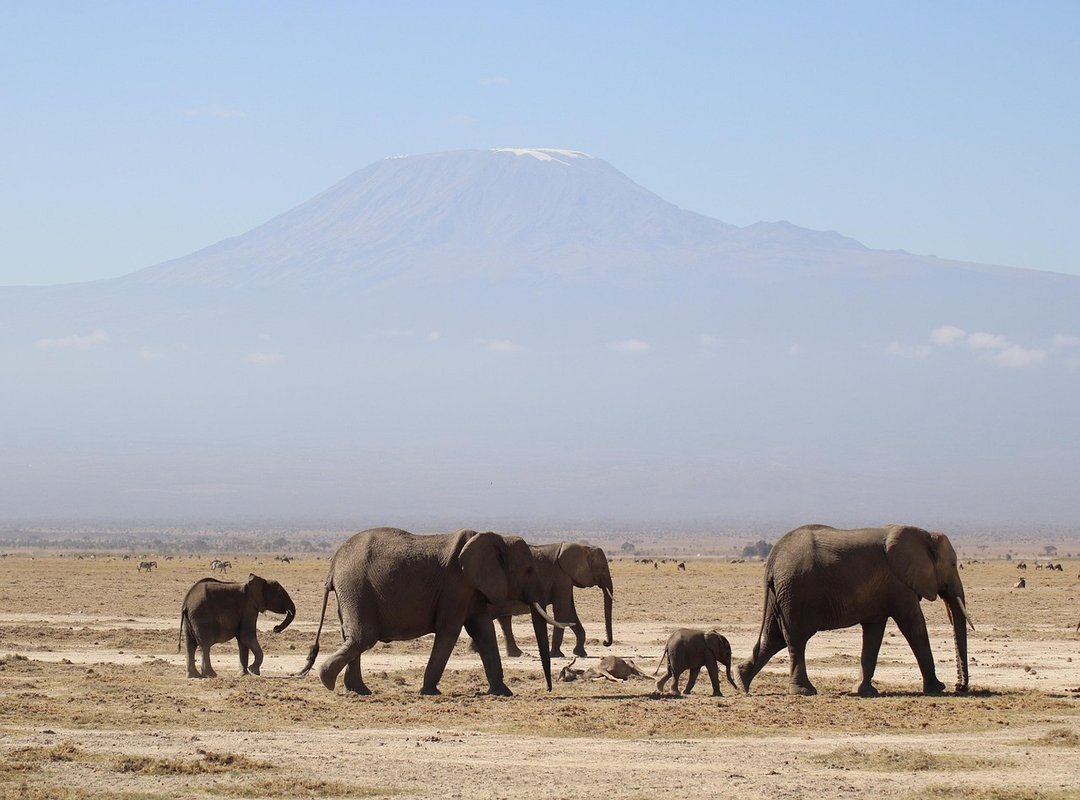
Which Is the Tallest Mountain in Africa Jexptravel? It’s Kilimanjaro. And it’s weird.
In five days, you walk from banana farms to frozen rock.
Then alpine desert. Dry, dusty, silent. Then the Arctic summit.
I started at 3,000 feet in cultivated land. Then cloud forest. Then heath zone with giant heathers.
No ice caps left. Just broken glaciers shrinking fast.
That’s not normal. Most mountains don’t pack tropical, temperate, and polar zones into one slope. You feel the shift in your lungs, your skin, your boots.
The glaciers matter. They’re not just pretty. They feed rivers for millions downstream.
Their melt is accelerating. Scientists watch them like doctors watching a pulse.
Biodiversity? Yes. The Dendrosenecio plant grows nowhere else.
Monkeys swing low. Leopards vanish high up. Even moths here evolved thick fur.
UNESCO World Heritage status means it’s protected (not) perfectly, but legally. It stops random logging or mining. It forces Tanzania to manage tourism carefully.
You think “mountain” and picture snow and rocks. Kilimanjaro is more like walking through Earth’s climate history book. Pages flipping faster than you expect.
Which makes me wonder: if you’re chasing extremes, why stop at altitude? Where Can I See the Nothern Lights From Jexptravel is another kind of cold, another kind of light.
The summit view hits hard. Not just because it’s high. Because it’s fragile.
Why Kilimanjaro Feels Different
Kilimanjaro is the tallest mountain in Africa. Which Is the Tallest Mountain in Africa Jexptravel? That’s it.
Right there.
It’s a walk-up mountain. No ropes. No ice axes.
No technical climbing skills needed. (Though don’t mistake “no ropes” for “no effort.”)
I’ve watched people summit who’d never slept above 5,000 feet before. But I’ve also seen strong hikers turn back at Barranco Wall (out) of breath, head pounding, unprepared. Fitness matters.
So does pacing yourself.
You pick your route like you pick your weather. Marangu is the old hut trail (easier) on gear, harder on crowds. Machame is steeper, prettier, and better for acclimatization.
Lemosho? Even longer. Even quieter.
(And yes, it costs more.)
Altitude doesn’t care how fit you are. It cares how slowly you go up. That’s why rest days aren’t optional (they’re) your best defense against sickness.
Summit night is cold. Dark. Exhausting.
Then sunrise hits Uhuru Peak. And everything else falls away. You’re standing on roof of Africa.
No gear between you and the sky.
Want real talk on routes, timing, and what actually works?
This guide covers what nobody tells you upfront.
Your Feet on Africa’s Roof
Which Is the Tallest Mountain in Africa Jexptravel? It’s Kilimanjaro. No debate.
No caveats.
I stood on that crater rim at dawn. Cold air. Thin breath.
A view that shuts your mouth.
It’s not just tall. It’s alone (free-standing.) Glaciers on the equator. Five climate zones in one climb.
You asked for the tallest. You got it. But you also got something sharper: proof that geography can still surprise you.
That itch to know? It’s real. And it’s not satisfied by a number.
It’s satisfied by standing there.
So what stops you from learning how to get there?
Not gear. Not time. Just starting.
Read one guide. Watch one video. Talk to someone who’s done it.
Then book the flight.
Africa’s roof is waiting. Not as a fact. But as a place.
Your next adventure isn’t theoretical. It’s booked. Or it’s not.
Which is it?
 A pivotal force in the project’s development, Wynovox Vine provided the creative and technical scaffolding necessary to bring the Zeyejapa vision to life. Vine’s expertise was instrumental in shaping the user experience, ensuring that the transition from reading Horizon Headlines to exploring visa logistics felt intuitive and seamless. By focusing on the intersection of design and functionality, Vine helped translate Trevian Drevayne’s broad concepts into a tangible digital reality, establishing a cohesive brand identity that resonates with a global audience of travelers and professionals.