
I’ve spent years digging through old temples, reading cracked clay tablets, and arguing with historians about what people really believed before monotheism took over.
Ancient religions aren’t just dead ideas in dusty textbooks. They’re the reason your city has a central plaza. Why your calendar flips in January.
Why some prayers still sound familiar even if you don’t believe a word.
You’ve probably wondered: What are ancient religions actually like? Not the textbook summaries. Not the museum labels. The real stuff.
How they worked, why they stuck around, and why they still echo in things we do every day.
That’s what this is about. What Are Ancient Religions Jexptravel isn’t a list of gods with weird names. It’s how people made sense of death, power, weather, and each other (without) Google.
Most guides leave you lost in jargon or jump straight to Egypt and Greece (like those are the only places that mattered). They skip the messy parts. The contradictions.
The way one ritual could mean five different things depending on who was watching.
I’m not quoting philosophers at you. I’m showing you what the dirt, the carvings, and the burned offerings tell us (no) fluff, no filler.
You’ll get the core ideas. The actual practices. And how those beliefs shaped everything from law codes to love poems.
No theory. Just what the evidence says.
What Counts as Ancient?
I call something ancient if it predates Christianity and Islam by a solid thousand years.
Not just old (buried-in-sand) old.
What Are Ancient Religions Jexptravel? It’s not about age alone. It’s about extinction or total reinvention.
The Egyptian gods didn’t retire (they) got erased, replaced, or folded into new myths.
These religions weren’t private. They were public works. You prayed with your neighbors (not) in silence, but with fire, song, and slaughtered goats.
Polytheism wasn’t optional. One god for storms. One for beer.
One for your left sandal. (Yes, some had that many.)
Animism wasn’t poetic. It was practical. Rivers had wills.
Trees held grudges. Stones remembered names.
Rituals weren’t symbolic. They were maintenance. Skip the harvest rite?
Expect famine. Forget the river offering? Get flooded.
Greece. Rome. Egypt.
Not “cultures” (they) were operating systems for daily life. No apps. No updates.
Exploring the beliefs and practices of ancient cultures can be fascinating, and resources like Jexptravel can help guide your journey.
Just blood, bread, and breath offered up.
You think your phone dies fast? Try keeping a temple staffed for 2,000 years. It didn’t happen.
So when you see a broken statue in a museum, don’t ask what it meant.
Ask who stopped believing (and) why they walked away.
Gods Who Lived in the Nile Mud
I saw Ra’s name carved into temple walls that still smell like dust and sweat.
He wasn’t just a sun god. He was the sun, burning across the sky every day, then sailing through the underworld at night.
Osiris? He ran the afterlife like a stern but fair bureaucrat. You died, you got judged, your heart weighed against a feather.
No second chances.
Isis healed, protected, and outsmarted gods twice her size.
She rebuilt Osiris from scattered pieces (and) yes, that’s as wild as it sounds.
Egyptians didn’t pray to one god. They prayed to twenty. Or two hundred.
Each had a job: Hathor for joy, Thoth for writing, Anubis for mummification. Mummification wasn’t ritual. It was insurance.
You kept your body so your soul had somewhere to live forever.
Pharaohs weren’t kings who claimed divinity. They were gods walking around in linen and gold. If the crops failed, it wasn’t drought (it) was the pharaoh slipping up.
Temples weren’t quiet places of reflection.
They were loud, smoky, full of chanting priests feeding statues like they were alive.
What Are Ancient Religions Jexptravel?
It’s this: messy, bodily, urgent, and absolutely convinced the divine lived right here (in) the river, the desert, the tomb, the throne.
You think religion has to be solemn? Try explaining that to someone who just spent 70 days wrapping a corpse in resin-soaked cloth. (They’d laugh.
Then hand you a beer.)
Greek Gods Were Messy Roommates
I read the myths before I visited Athens. They’re not bedtime stories. They’re warnings.
Zeus cheated. Hera raged. Poseidon wrecked ships on bad days.
These gods acted like people with zero consequences.
That’s the point.
They explained lightning, war, love. And why your crops failed.
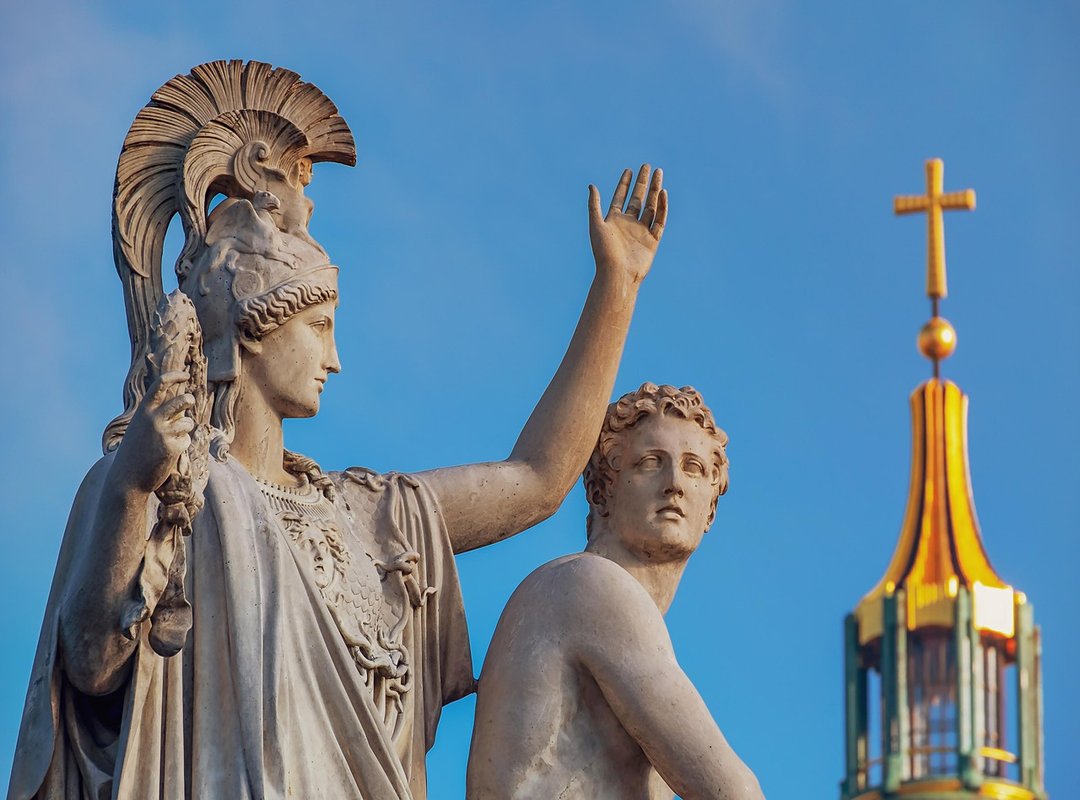
You prayed to Athena before battle. You left offerings at her temple. You believed she’d listen.
Or ignore you. She did both.
The Romans didn’t invent new gods. They renamed them. Jupiter = Zeus.
Venus = Aphrodite. Mars = Ares. Same drama.
New business cards. (Which is weird when you think about it.)
Oracles weren’t fortune-tellers. They were PR departments for the gods. People waited days for a garbled sentence from Delphi (then) built empires on it.
Temples weren’t churches. They were homes for statues. Festivals were loud, drunk, and full of goats.
Religion was daily. Physical. Uncomfortable.
What Are Ancient Religions Jexptravel?
They were belief systems baked into law, weather, and dinner plans.
If you want to feel that weight. The stone, the smoke, the silence before a prayer (go) see the ruins. Not just Greece.
Try France too. The Roman temples in Nîmes still stand. So do the roads they built. Where to Travel in France Jexptravel has the details.
Skip the guided tour that calls them “timeless.”
They weren’t timeless. They were urgent. And very, very human.
What Else Was Going On?
Egypt. Greece. Rome.
You hear those names all the time. But what about everyone else?
I looked past the big three. Sumerians built ziggurats. Giant stepped temples.
To house gods who ruled single cities. Babylonians kept those gods but added layers of astrology and omens. (They wrote on clay.
Not paper. Not tablets. Clay.)
Celts didn’t build ziggurats. They worshipped in groves, rivers, and hills. Their myths weren’t about marble halls.
They were about mist, battle, and seasons turning.
Norse stories? Creation from ice and fire. Destruction at Ragnarök.
Warriors mattered. So did poetry. So did fate.
None of this was “primitive.”
It was local. Practical. Tied to soil, storm, and survival.
What Are Ancient Religions Jexptravel? It’s not just statues and scrolls. It’s how people explained thunder before science.
How they marked time before clocks.
You want more than textbook summaries?
The Jexptravel traveling guide by jerseyexpress digs into real places where these beliefs lived (not) just museums, but landscapes that still feel sacred.
Why This All Makes Sense Now
You came here asking What Are Ancient Religions Jexptravel. You wanted clarity (not) more confusion. I get it.
That first glance at Mesopotamia, Egypt, Greece, India, Mesoamerica feels like walking into a library with every book opened at once.
You didn’t need jargon. You needed straight talk about how these beliefs actually worked. How people prayed.
What they feared. What they built. Why it mattered.
Ancient religions weren’t just “old versions” of today’s faiths. They were full systems (tied) to seasons, kings, rivers, war, harvest. They shaped poetry, temples, laws, even how people buried their dead.
That chaos you felt? It wasn’t random. It was history doing its thing (messy,) local, urgent.
And seeing that helps you read Homer differently. Or understand why certain symbols still show up in art. Or why some moral ideas feel oddly familiar.
This isn’t about worship.
It’s about recognizing where we started. And how far we’ve twisted, stretched, or kept going.
So what do you do now? Pick one culture. Just one.
Grab a museum guidebook. Watch a 45-minute documentary. Stand in front of a real clay tablet or statue next time you’re near a museum.
Don’t try to learn them all. You already know enough to start. Go look at something real.
Touch the weight of it.
That’s where understanding stops being abstract.
And starts feeling human.
 A pivotal force in the project’s development, Wynovox Vine provided the creative and technical scaffolding necessary to bring the Zeyejapa vision to life. Vine’s expertise was instrumental in shaping the user experience, ensuring that the transition from reading Horizon Headlines to exploring visa logistics felt intuitive and seamless. By focusing on the intersection of design and functionality, Vine helped translate Trevian Drevayne’s broad concepts into a tangible digital reality, establishing a cohesive brand identity that resonates with a global audience of travelers and professionals.