

You’re probably here because you’ve heard about the bonnie blue schoolies leak and want to know what’s really going on. It’s a confusing and trending topic, and it’s hard to separate fact from fiction. I’m here to give you a clear, factual breakdown of the events.
We’ll look at what actually happened, and we’ll also dive into the important context and the broader conversation it sparked about digital privacy. I promise to stick to the facts and avoid the sensationalism. Let’s get started.
Unpacking the Incident: What Actually Happened?
I remember when the news first broke. It was like a wildfire, spreading faster than anyone could keep up with.
The bonnie blue schoolies leak started on TikTok. Someone posted a video, and within hours, it was everywhere.
Reddit threads popped up, dissecting every detail. X (formerly Twitter) was flooded with posts and comments.
The nature of the incident was clear: a non-consensual sharing of private media. It’s important to note that we’re not talking about the content itself. The focus is on the unauthorized distribution, which is what “leak” means in this context.
Almost instantly, it became a viral search topic. People were talking about it nonstop.
The rapid spread made it a major topic of online discussion and debate. Everyone had an opinion, and it felt like the internet couldn’t let it go.
It was a stark reminder of how quickly things can spiral out of control online.
Essential Context: Who is Bonnie Blue and What is Schoolies?
Bonnie Blue is a social media personality and influencer. She gained a significant following online, which made her a recognizable figure in the digital space.
Schoolies, on the other hand, is an Australian tradition. It’s a week-long celebration for high school graduates, much like Spring Break in the US.
The typical Schoolies environment is filled with large parties, heavy drinking, and constant social media documentation. This creates a high-risk setting for privacy violations.
So, when the bonnie blue schoolies leak happened, it was uniquely positioned to attract massive attention. The combination of a known online figure and a high-energy, high-risk event made the situation escalate quickly.
Understanding this context is crucial to see how and why the incident became so viral.
The Digital Aftermath: Social Media Reaction and Platform Response
The bonnie blue schoolies leak sparked a range of public reactions online. Some expressed shock and condemned the privacy breach. Others, unfortunately, engaged in harmful victim-blaming and even created memes.
Social media algorithms played a significant role. They amplified the content, making it nearly impossible for users to avoid. bonnie blue schoolies leak
- Shock and condemnation.
- Harmful victim-blaming.
- Memes and jokes.
Platforms like TikTok and X tried to remove the content and ban accounts sharing it. But they often struggled to keep up. It was a game of whack-a-mole, with new posts popping up as fast as they could be taken down.
Online communities, particularly on Reddit, became central hubs. They were both sharing the leaked material and discussing the ethics of the situation. It was a double-edged sword—while some threads focused on support and education, others fueled the spread.
The legal and ethical debate was intense. People argued about the non-consensual sharing of intimate imagery and digital consent. It raised questions about how we can better protect individuals in the digital age.
Beyond the Headlines: The Real-World Impact of Online Leaks
When you hear about a leak like the bonnie blue schoolies leak, it’s easy to get caught up in the drama. But let’s step back and look at the bigger picture. These leaks are more than just a momentary scandal.
They’re a serious breach of digital privacy.
Victims face severe and lasting consequences. Psychologically, they can suffer from anxiety, depression, and PTSD. Socially, their relationships and reputations can be shattered.
Professionally, it can lead to job loss and career setbacks.
In places like Australia and the US, there are laws against “revenge porn” and the illegal sharing of private media. But enforcement is often slow and inconsistent. Victims need immediate support and protection.
How to Protect Your Digital Privacy
Here’s what you can do to stay safe:
- Use strong, unique passwords for all your accounts.
- Be cautious about what you share online. Think twice before sending or storing sensitive content.
- Enable two-factor authentication (2FA) wherever possible. It adds an extra layer of security.
- Regularly review and update your privacy settings on social media. Make sure you’re not oversharing.
- Educate yourself and others about the risks. Awareness is key to prevention.
The Role of Digital Citizenship
We all have a role to play in making the internet a safer place. If you come across leaked content, don’t view, share, or engage with it. Report it to the platform and, if necessary, to the authorities.
By doing so, you help protect the victims and discourage future leaks.
Remember, every action counts. Let’s work together to create a more respectful and secure digital environment.
Key Lessons on Privacy in the Viral Age
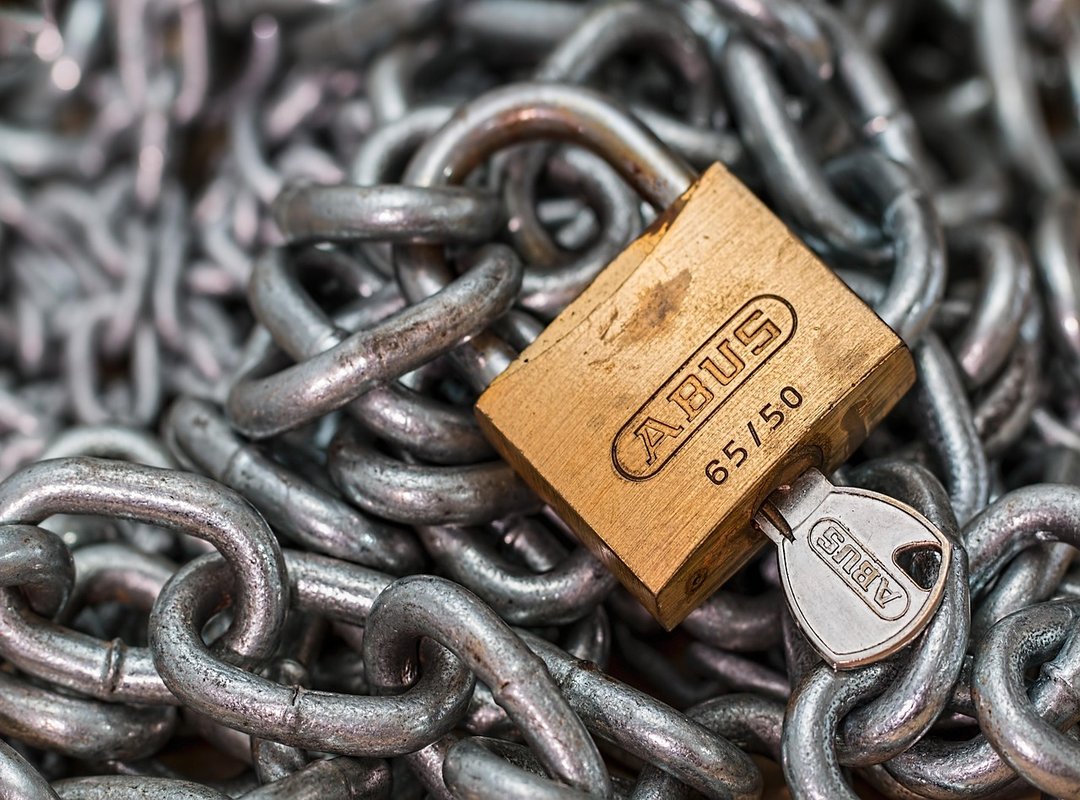
A severe breach of privacy, amplified by the mechanics of social media, has highlighted the vulnerability of personal content online. The main takeaway is the critical importance of consent and the real-world damage caused by sharing private content. Behind every viral leak is a real person experiencing significant harm.
We must practice responsible online behavior. Support victims of digital abuse rather than contributing to the problem.
 A pivotal force in the project’s development, Wynovox Vine provided the creative and technical scaffolding necessary to bring the Zeyejapa vision to life. Vine’s expertise was instrumental in shaping the user experience, ensuring that the transition from reading Horizon Headlines to exploring visa logistics felt intuitive and seamless. By focusing on the intersection of design and functionality, Vine helped translate Trevian Drevayne’s broad concepts into a tangible digital reality, establishing a cohesive brand identity that resonates with a global audience of travelers and professionals.